
Ever wonder how you can boost your brain for better success? The hippocampus, a small but mighty part of your brain, plays a big role in memory and learning. By making some tweaks to your lifestyle, you can actually increase the size of your hippocampus. This can lead to improved cognitive performance, helping you succeed in various aspects of life. Let’s explore some simple changes and activities that can help grow your hippocampus and unlock your potential.
Key Takeaways
- Regular physical exercise can increase hippocampus size, enhancing memory and learning abilities.
- A balanced diet rich in omega-3 fatty acids supports brain health and promotes neurogenesis.
- Quality sleep is crucial for brain function, aiding in memory consolidation and toxin removal.
- Engaging in new skills and hobbies strengthens neural connections, boosting cognitive flexibility.
- Managing stress through mindfulness and meditation protects the hippocampus from damage.
Understanding the Role of the Hippocampus in Success
The Hippocampus and Memory Formation
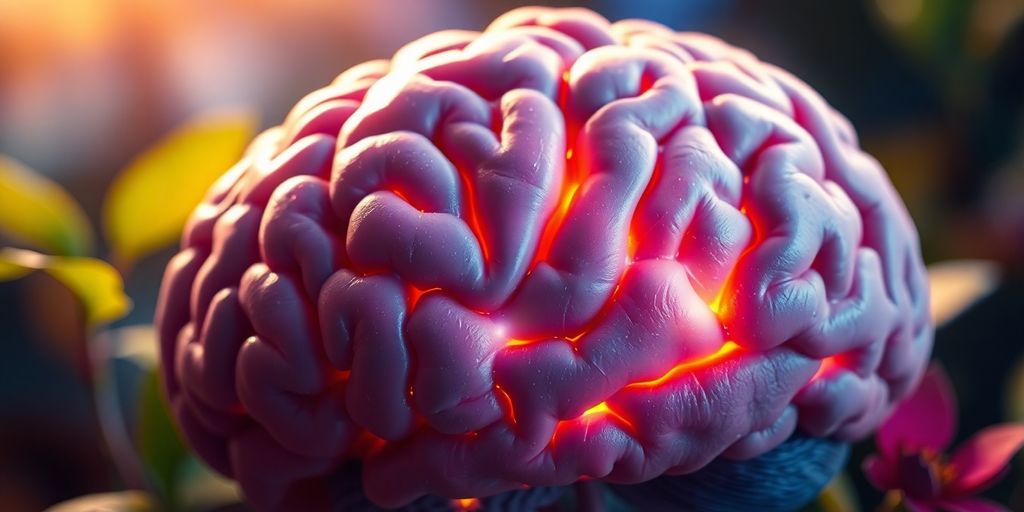
The hippocampus is a vital part of the brain that plays a key role in forming new memories. It’s like the brain’s filing cabinet, storing and organizing information. When you learn something new, the hippocampus helps to encode this information, making it possible to recall it later. Without a well-functioning hippocampus, forming new memories would be incredibly difficult. This part of the brain is also involved in spatial memory, which is essential for navigation and understanding our environment.
How the Hippocampus Affects Learning Abilities
Learning is not just about acquiring new information; it’s about retaining and using it effectively. The hippocampus is crucial in this process because it helps to consolidate information from short-term memory to long-term memory. When you engage in activities like solving puzzles or learning a new language, the hippocampus is hard at work, strengthening the neural connections needed for these tasks. In essence, a healthy hippocampus can significantly enhance your ability to learn and adapt.
The Connection Between Hippocampus Size and Cognitive Performance
Research has shown that the size of the hippocampus can be linked to cognitive performance. A larger hippocampus is often associated with better memory and learning capabilities. This is because a bigger hippocampus has more neurons and connections, allowing for more efficient processing of information. However, factors like stress and poor lifestyle choices can negatively impact the hippocampus, leading to decreased cognitive abilities. Therefore, maintaining a healthy hippocampus is crucial for optimal brain function.
Understanding the role of the hippocampus in our daily lives highlights its importance in achieving personal and professional success. By taking care of this small but mighty part of the brain, we can improve our memory, learning abilities, and overall cognitive performance.
Lifestyle Changes to Enhance Hippocampus Growth

Incorporating Regular Physical Exercise
Getting moving isn’t just good for your waistline—it’s a brain booster too. Regular physical activity, like a brisk walk or a yoga session, can actually increase the size of your hippocampus. This part of your brain is key for memory and learning. Even just 30 minutes a day can make a difference. Here’s a simple list to get started:
- Walking: Easy and accessible, just lace up your shoes and go.
- Swimming: A full-body workout that’s gentle on the joints.
- Cycling: Great for cardio and can be a fun way to explore your surroundings.
The Impact of a Balanced Diet on Brain Health
What you eat fuels your brain, so choose wisely. A balanced diet rich in omega-3 fatty acids, antioxidants, and whole grains supports hippocampus growth and overall brain health. Consider adding these to your meals:
- Fatty fish like salmon or trout
- Leafy greens such as spinach and kale
- Nuts and seeds, especially walnuts and flaxseeds
The Importance of Quality Sleep for Brain Function
Never underestimate the power of a good night’s sleep. During sleep, your brain consolidates memories and cleans out toxins. Aim for 7-9 hours each night to keep your brain sharp. Here are a few tips for better sleep:
- Establish a bedtime routine: Go to bed and wake up at the same time daily.
- Limit screen time before bed: The blue light can mess with your sleep cycle.
- Create a restful environment: Keep your bedroom cool, dark, and quiet.
"A healthy lifestyle isn’t just about eating right and exercising; it’s also about giving your brain the rest it needs to thrive."
By incorporating these lifestyle changes, you can boost your brain’s potential and support hippocampus growth, paving the way for better memory, learning, and success. For more insights on how the hippocampus plays a crucial role in memory and learning, explore the connection between lifestyle choices and brain health.
Mental Exercises to Boost Hippocampus Size
Engaging in Brain-Training Activities
Brain-training activities are a fun way to keep your mind sharp. Think puzzles, memory games, or even apps designed to challenge your brain. These activities help to create new neural connections, which can lead to increased brain plasticity. The more you practice, the better your brain gets at forming these connections. It’s like giving your hippocampus a workout without breaking a sweat.
Learning New Skills and Hobbies
Picking up new skills or hobbies can do wonders for your brain. Whether it’s learning to play an instrument or picking up a new language, challenging your brain with something unfamiliar can increase cognitive flexibility. As you learn, your brain forms new pathways, making it easier to retain information and improve memory. Plus, it’s a great way to keep life interesting!
The Benefits of Mindfulness and Meditation
Mindfulness and meditation aren’t just buzzwords; they can actually change your brain structure. Regular practice can increase cortical thickness and boost connectivity between brain regions. This means better focus, improved memory, and a calmer mind. It’s like giving your brain a mini-vacation every day. Just a few minutes of meditation can help lower stress and support brain health.
By engaging in activities that promote brain growth, we can improve our cognitive abilities and overall well-being. It’s not just about getting smarter; it’s about living a healthier, more fulfilling life.
Social and Environmental Factors Influencing Brain Plasticity
The Role of Social Interactions in Cognitive Health
Social interactions are more than just a way to pass time—they’re essential for our brain health. Being around others, whether through conversations, shared activities, or community involvement, stimulates our brains. This stimulation can lead to the formation of new neural connections, which is a key aspect of neuroplasticity. Engaging in regular social activities helps keep our minds sharp and adaptable. For instance, participating in group activities or joining clubs can provide the mental challenges and social support needed to maintain cognitive function.
Creating a Stimulating Environment for Brain Growth
Our surroundings play a big part in how our brains develop. A stimulating environment—rich in colors, textures, and opportunities for exploration—can encourage brain growth and adaptability. Simple changes like adding puzzles, books, or art to your living space can make a difference. It’s about creating an atmosphere that encourages curiosity and learning. Variety in your environment can lead to the formation of new pathways in the brain, enhancing your ability to learn and adapt.
Managing Stress to Protect Brain Function
Stress is a natural part of life, but chronic stress can be harmful to the brain. It releases cortisol, a hormone that, in high amounts, can damage the hippocampus, a region critical for memory and learning. To protect your brain, it’s important to manage stress effectively. Techniques like mindfulness, meditation, and regular exercise can help. These practices not only reduce stress but also promote neuroplasticity by helping the brain form new connections and pathways.
Stress management isn’t just about avoiding stress—it’s about building resilience and learning how to cope with challenges effectively. By doing so, you can protect your brain and maintain its ability to adapt and grow.
In conclusion, our social and environmental choices significantly impact our brain’s ability to change and adapt. By fostering positive social interactions, creating stimulating environments, and managing stress, we can enhance our brain’s plasticity and support cognitive health throughout our lives. Embracing these practices not only benefits our mental abilities but can also lead to a more fulfilling and connected life.
Nutritional Strategies for a Healthier Brain
Eating the right foods can have a big impact on brain health, especially when it comes to growing new neurons—a process called neurogenesis. Certain foods are like super fuel for your brain. Blueberries, for example, are packed with antioxidants that help protect your brain from stress. Leafy greens like spinach and kale are rich in vitamins that support overall brain function. And then there’s fatty fish like salmon, which is loaded with omega-3 fatty acids. These healthy fats are crucial for brain cell development and function.
The Role of Omega-3 Fatty Acids in Brain Development
Omega-3 fatty acids are a type of good fat that your brain loves. They’re found in fish like salmon, mackerel, and sardines. These fats help build cell membranes in the brain and have anti-inflammatory effects that can protect brain cells. Some studies even suggest that omega-3s can help improve memory and mood. So, adding fish to your diet a couple of times a week can be a tasty way to boost your brain health.
Avoiding Foods That Hinder Brain Growth
Just like some foods can help your brain, others can hurt it. Diets high in refined sugars and unhealthy fats can lead to inflammation and oxidative stress, which are bad news for your brain. Processed foods, sugary snacks, and fast food might be convenient, but they can slow down brain function and even affect your mood. To keep your brain sharp, it’s best to limit these types of foods and focus on whole, nutrient-rich options instead.
Eating well isn’t just about keeping your body in shape—it’s about giving your brain the fuel it needs to stay healthy and sharp. A balanced diet rich in nutrients can make a world of difference in how you think and feel every day.
Technological and Therapeutic Approaches to Enhance Brain Function
The Use of Neurofeedback for Cognitive Improvement
Neurofeedback is an innovative tool that gives you real-time feedback on your brainwaves. It sounds fancy, but it’s basically a way to train your brain to work better. You sit in front of a screen, and as you focus or relax, you get visual or audio cues that help you adjust your brain activity. This technique has shown promise in boosting attention, memory, and even overall cognitive performance. By promoting new neural connections, neurofeedback can help you learn how to regulate your brain and improve its function.
Exploring Non-Invasive Brain Stimulation Techniques
Non-invasive brain stimulation methods, like transcranial magnetic stimulation (TMS) and transcranial direct current stimulation (tDCS), are making waves in brain research. These techniques involve placing a device on your scalp to deliver small electrical currents that can modulate brain activity. They are being explored for their potential to enhance neuroplasticity, which is the brain’s ability to reorganize itself by forming new neural connections. These methods are still being studied but hold promise for improving brain function without the need for medication.
Therapies That Support Neuroplasticity
Therapies aimed at boosting neuroplasticity are diverse and growing. Cognitive behavioral therapy (CBT), mindfulness practices, and even certain physical exercises can encourage the brain to form new pathways. By engaging in activities that challenge the brain, such as learning a new language or picking up a musical instrument, you can stimulate brain growth and improve mental flexibility. Creating an environment that encourages continuous learning and adaptation is key to supporting neuroplasticity.
Engaging in regular mental and physical exercises can significantly impact brain health. By incorporating activities that challenge the brain, you not only improve cognitive abilities but also foster a brain environment conducive to growth and adaptation.
Incorporating these technological and therapeutic strategies into your routine might just be the key to unlocking your brain’s full potential. Whether it’s through innovative tech like theta wave sound frequencies or traditional therapies, there’s a world of options to explore for enhancing brain function.
Understanding and Overcoming Barriers to Hippocampus Growth
Identifying Lifestyle Habits That Impede Brain Health
Our daily habits can significantly impact our brain’s ability to grow and adapt. Certain lifestyle choices can hinder the brain’s plasticity, making it harder for the hippocampus to thrive. For instance, a sedentary lifestyle, poor diet, and lack of mental stimulation can all contribute to a decline in brain health. It’s crucial to recognize these habits and find ways to incorporate healthy changes.
Consider these common lifestyle habits that may impede brain health:
- Lack of Physical Activity: Regular exercise is vital for maintaining and enhancing brain function. A sedentary lifestyle can lead to decreased production of brain-derived neurotrophic factor (BDNF), which is essential for neuroplasticity.
- Poor Diet: Consuming a diet high in processed foods, sugars, and unhealthy fats can trigger inflammation and oxidative stress, harming brain health.
- Insufficient Sleep: Quality sleep is crucial for memory consolidation and brain detoxification. Chronic sleep deprivation can impair these processes, reducing the brain’s adaptability.
The Impact of Chronic Stress on the Hippocampus
Chronic stress releases hormones like cortisol, which can have a detrimental effect on the hippocampus. This brain region is essential for memory and learning, and prolonged exposure to stress hormones can lead to a reduction in its size and function. Managing stress through techniques such as mindfulness, meditation, or even regular physical exercise can help mitigate these effects.
Strategies to Combat Negative Influences on Brain Growth
Addressing the factors that hinder brain growth involves a combination of lifestyle adjustments and stress management techniques. Here are some strategies to promote a healthier hippocampus:
- Engage in Regular Exercise: Exercise stimulates the hippocampus, promoting synaptic and cellular plasticity.
- Adopt a Balanced Diet: Focus on foods that support brain health, such as those rich in omega-3 fatty acids.
- Prioritize Sleep: Ensure you get enough quality sleep to aid in memory consolidation and brain function.
- Practice Mindfulness and Relaxation Techniques: These can help reduce stress and its impact on the brain.
By making conscious efforts to alter detrimental habits and embrace healthier ones, we can support our brain’s natural ability to grow and adapt. It’s about making small, consistent changes that lead to significant improvements over time.
Understanding the challenges that stop the hippocampus from growing is important for everyone. By learning about these barriers, we can find ways to overcome them and boost our brain health. If you’re curious to learn more about how to enhance your brain’s potential, visit our website for helpful tips and resources!
Conclusion
So, there you have it. Growing your hippocampus isn’t just some science fiction idea—it’s something you can actually work on. By staying active, eating right, and keeping your mind busy with new challenges, you’re not just boosting your memory and learning skills, but you’re also setting yourself up for a brighter future. It’s like giving your brain a workout, and just like with any workout, consistency is key. Remember, these changes won’t happen overnight, but with a little patience and effort, you’ll start to see the benefits. So why not start today? Your future self will thank you.
Frequently Asked Questions
What is the hippocampus and why is it important?
The hippocampus is a part of the brain that helps with memory and learning. It’s important because it helps us remember things and learn new skills.
How can exercise help my brain?
Exercise can make your hippocampus bigger, which helps improve memory and learning. Just 30 minutes a day can make a difference.
Why does sleep matter for my brain?
Sleep helps your brain clean out waste and keep memories. Getting enough sleep helps your brain work better and stay healthy.
What foods are good for my brain?
Foods like blueberries, nuts, and fish are good for your brain. They have things that help your brain stay strong and healthy.
How can I make my brain smarter?
You can make your brain smarter by learning new things, like playing an instrument or learning a new language. This helps your brain make new connections.
Can stress hurt my brain?
Yes, stress can be bad for your brain. It can make it harder to remember things and learn. Finding ways to relax can help your brain stay healthy.