
Ever wondered how to give your brain a boost? Well, the hippocampus might be your secret weapon. It’s a part of the brain that plays a big role in memory and learning. By focusing on activating the hippocampus, you can set yourself up for success. It’s not just about remembering things better—it’s about improving your overall brain power. Let’s dive into some key takeaways to help you activate your hippocampus for success.
Key Takeaways
- The hippocampus is crucial for memory and learning, impacting how well you can achieve your goals.
- Mindfulness and meditation can help improve hippocampal function, leading to better outcomes.
- Physical activity is not just good for the body but also boosts brain health, including the hippocampus.
- Quality sleep and stress management are essential for maintaining a healthy hippocampus.
- Neuroplasticity allows the brain to adapt and grow, making it possible to improve brain function at any age.
Understanding the Role of the Hippocampus in Success
The Science of Memory and Learning
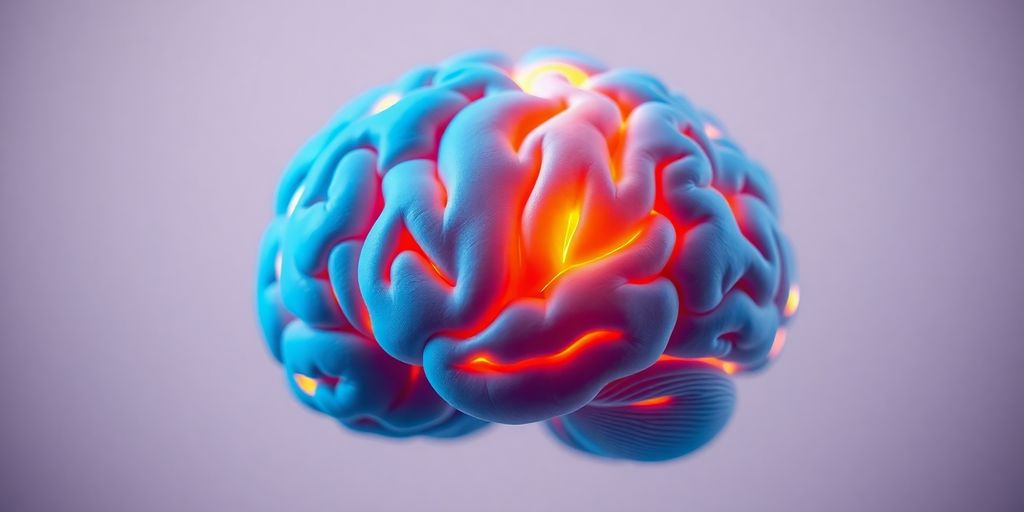
The hippocampus is a small, curved formation in the brain that plays a big part in how we learn and remember things. It’s like the brain’s filing cabinet, storing new information and helping us recall it when needed. Without the hippocampus, forming new memories would be nearly impossible. This part of the brain is constantly working, whether you’re memorizing a phone number or learning a new skill. It’s fascinating how this tiny structure can influence our ability to succeed by managing how we process and retrieve information.
How the Hippocampus Influences Goal Achievement
When it comes to achieving goals, the hippocampus does more than just store memories. It helps us visualize and plan our objectives. Picture it as a GPS for your brain, guiding you toward your aspirations. By organizing past experiences and lessons, the hippocampus enables us to strategize effectively. This means that when you set a goal, your hippocampus is busy mapping out the steps needed to get there, making it a key player in your success journey.
Enhancing Hippocampal Function for Better Outcomes
Boosting the function of your hippocampus can lead to better outcomes in life. There are several ways to give this brain region a workout:
- Mindfulness and Meditation: These practices can enhance focus and improve memory retention, contributing to a healthier hippocampus.
- Regular Physical Activity: Exercise increases blood flow to the brain, which can promote hippocampal health.
- Healthy Diet: Consuming foods rich in omega-3 fatty acids, antioxidants, and flavonoids can support brain health and improve hippocampal function.
By understanding and nurturing the hippocampus, we can pave the way for a more successful and fulfilling life. It’s not just about working harder; it’s about working smarter with the brain’s natural capabilities.
Exploring techniques like harnessing theta brainwaves can further enhance mental focus and creativity, potentially leading to greater financial success and personal growth.
Techniques to Activate Your Hippocampus for Success
Mindfulness and Meditation Practices
Mindfulness and meditation are like a gym for your brain. They help in reducing stress and improving focus, which can boost your hippocampus. Just 10 minutes a day can make a difference. Try focusing on your breath or doing a body scan. Consistency is key—the more you practice, the better the results.
Cognitive Exercises to Boost Memory
Keeping your brain active with cognitive exercises is crucial. Think of puzzles, crosswords, or even learning a new language. These activities enhance your memory and stimulate the hippocampus. Here are some ideas:
- Sudoku or crossword puzzles
- Learning to play a musical instrument
- Memory games or apps
The Impact of Physical Activity on Brain Health
Physical activity is not just for your body; it’s great for your brain too. Exercise increases blood flow to the brain, which helps in the growth of new brain cells in the hippocampus. Aim for at least 150 minutes of moderate exercise a week. Walking, cycling, or even dancing can be beneficial.
Regular movement is like a reset button for the brain, clearing out the mental cobwebs and making room for new ideas and memories.
Engaging in these activities can not only improve your memory but also make you more receptive to new information, helping you in wealth activation and success.
Lifestyle Choices That Support Hippocampal Health
Nutrition for Optimal Brain Function
Your brain is a powerhouse, consuming about 20% of your body’s energy. To keep it running smoothly, consider these superfoods:
- Blueberries: Packed with antioxidants, they protect your brain from oxidative stress.
- Fatty fish: Rich in omega-3 fatty acids, these are essential for maintaining brain health.
- Nuts and seeds: A good source of vitamin E, which may help prevent cognitive decline.
- Dark chocolate: Contains flavonoids that improve blood flow to the brain.
The Importance of Quality Sleep
Sleep is not just a luxury; it’s a necessity for brain health. During sleep, your brain consolidates memories and clears out waste. Skipping on sleep can lead to a foggy mind and impaired memory. Aim for 7-9 hours of quality sleep each night to keep your brain in top shape.
Stress Management and Its Effects on the Brain
Chronic stress releases cortisol, which can harm the hippocampus, the brain’s memory center. To manage stress effectively, consider incorporating:
- Mindfulness meditation: Helps reduce stress and improve focus.
- Physical activity: Exercise releases endorphins, improving mood and reducing stress.
- Time management: Prioritize tasks to avoid feeling overwhelmed.
Taking care of your brain is not just about avoiding harm, but actively nurturing it with the right lifestyle choices. The way you eat, sleep, and manage stress plays a crucial role in maintaining your hippocampal health and overall cognitive function.
Incorporating these lifestyle choices can significantly impact your brain’s health and functionality. Remember, a well-cared-for brain is your best ally in achieving success.
Harnessing Neuroplasticity for Personal Growth
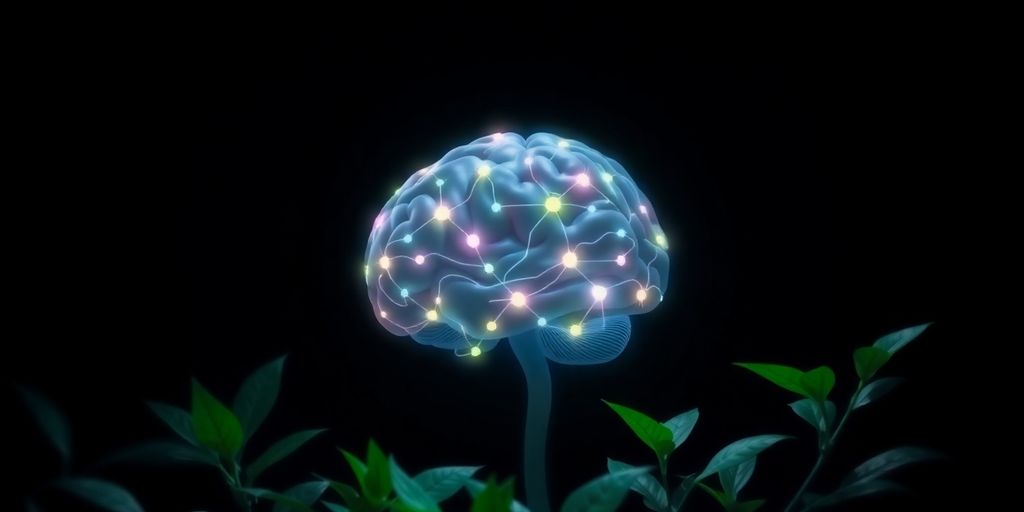
Neuroplasticity is the brain’s amazing ability to reorganize itself by forming new neural connections throughout life. This quality allows the brain to adjust to new experiences, learn from them, and recover from injuries. It’s like your brain’s way of keeping things fresh and flexible. Initially, people thought this was something only kids could do, but recent discoveries show that adults can also reshape their brains.
Practical Ways to Rewire Your Brain
To make the most of neuroplasticity, you can try:
- Mindfulness and Meditation: These practices can change your brain’s structure, increase cortical thickness, and improve connectivity between brain regions.
- Cognitive Training: Engaging in brain games or learning new skills like a language or musical instrument can boost brain function.
- Social and Intellectual Engagement: Staying socially active and continuously learning can stimulate your brain’s adaptability.
Overcoming Mental Barriers to Success
It’s not just about making changes but also about tackling what holds you back. Here’s how:
- Identify Limiting Beliefs: Recognize and challenge thoughts that limit your potential.
- Set Realistic Goals: Use frameworks like SMART to set achievable goals and track progress.
- Embrace Failures as Learning Opportunities: Instead of seeing setbacks as failures, view them as part of the learning process.
The journey to personal growth is unique to each individual. Embrace the changes and challenges with a mindset that sees obstacles as opportunities for development. Your brain is your ally in this journey, ready to adapt and grow with you.
The Connection Between Emotional Intelligence and the Hippocampus
How Emotions Affect Memory and Learning
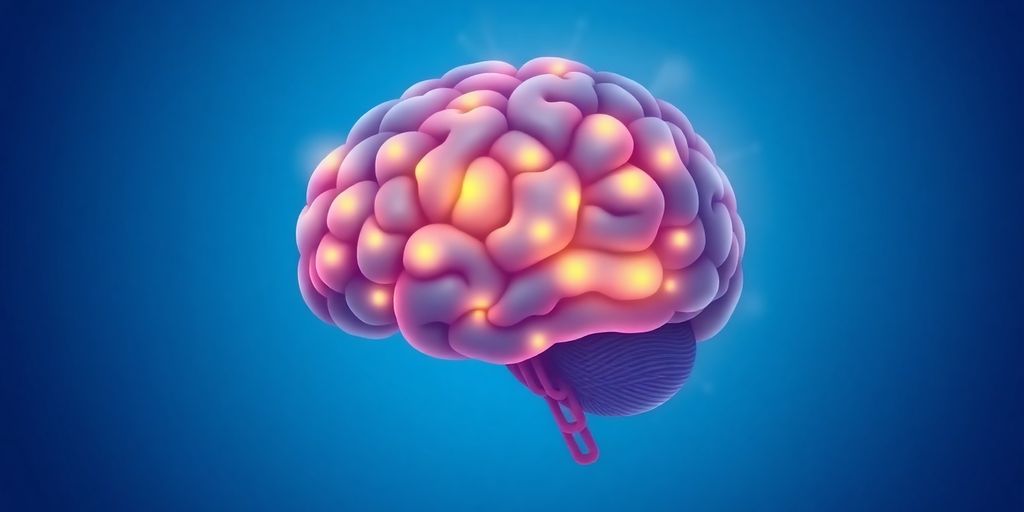
Our emotions play a huge role in shaping our memories and learning experiences. The hippocampus, a part of the brain crucial for forming new memories, is deeply intertwined with our emotional states. When we experience strong emotions, whether positive or negative, they can enhance the encoding of memories, making them more vivid and easier to recall later. This is why emotionally charged events, like a wedding or an accident, often stick with us. On the flip side, stress and anxiety can impair the hippocampus, making it harder to learn new information or remember things accurately.
Building Emotional Resilience for Success
Building emotional resilience is about learning to navigate life’s ups and downs without getting overwhelmed. It’s like having a mental toolkit that helps you handle challenges and bounce back from setbacks. Here’s how you can build it:
- Acknowledge Your Feelings: Recognize and accept your emotions without judgment. This helps in processing them better.
- Practice Mindfulness: Engaging in mindfulness exercises can help you stay grounded and reduce stress.
- Strengthen Social Connections: Having a support network can provide comfort and perspective during tough times.
Techniques to Enhance Emotional Intelligence
Improving emotional intelligence can lead to better relationships and more effective problem-solving. Here are some techniques to try:
- Self-Reflection: Regularly take time to reflect on your emotional responses and what triggers them.
- Empathy Development: Practice putting yourself in others’ shoes to understand their perspectives better.
- Emotional Regulation: Learn strategies to manage your emotions, such as deep breathing or counting to ten before reacting.
Emotional intelligence isn’t just about understanding others; it’s about understanding yourself, too. By honing this skill, you can improve your interactions and decisions, leading to greater success in both personal and professional arenas.
Understanding the link between emotional intelligence and the hippocampus can empower you to harness your brain’s full potential, paving the way for a more successful and fulfilling life.
The Role of Technology in Enhancing Brain Power
Digital Tools for Cognitive Enhancement
In today’s world, technology is like a Swiss Army knife for our brains, offering a range of tools to boost our mental abilities. From brain-training games to productivity apps, these digital marvels can be your best friends in sharpening your cognitive skills. Apps like Lumosity and Peak provide brain games that challenge various cognitive skills, while meditation apps such as Headspace and Calm guide you through mindfulness exercises to help reduce stress and improve focus. Educational platforms like Coursera or Khan Academy also let you learn new skills from the comfort of your couch.
Balancing Technology Use for Mental Well-being
While technology offers many benefits, it’s a double-edged sword. Constant connectivity can scatter our attention and reduce our ability to think deeply. To avoid this, it’s important to use technology mindfully. Here are some strategies:
- Set boundaries: Create tech-free times and spaces in your day.
- Practice digital mindfulness: Be aware of how and why you’re using technology.
- Prioritize face-to-face interactions: Remember, no app can fully replace human connection.
The Future of Brain-Computer Interfaces
The future of cognitive enhancement lies in brain-computer interfaces and neurofeedback. Imagine controlling your devices with just your thoughts or seeing your brain activity in real-time. Although some of these technologies are still developing, they offer exciting glimpses into how we might enhance brain power in the future.
Embracing technology with intention and awareness can transform it from a potential cognitive pitfall into a powerful tool for unlocking your cognitive potential.
Reflective Learning and the Path to Success
The Importance of Self-Reflection in Learning
Reflective learning is like having a conversation with yourself about what you’ve done and where you’re headed. Self-reflection is crucial because it lets you see what works and what doesn’t. It’s not just about marking things off a list; it’s about understanding your journey. By looking back, you can figure out what strategies to keep and which ones to toss. This process is vital for personal growth and success.
Techniques for Effective Reflective Practice
Want to make self-reflection a habit? Start simple. Here are a few techniques:
- Journaling: Write down your thoughts and experiences daily. This helps you track your progress and emotions over time.
- Regular Check-ins: Set aside time weekly to review your goals and achievements. This keeps you aligned with your long-term objectives.
- Feedback Loops: Seek feedback from peers or mentors. They can offer new perspectives that you might miss on your own.
These techniques can help you stay on track and make necessary adjustments to your plans.
Measuring Success Through Reflective Learning
Success isn’t just about reaching the end goal; it’s about the steps you take along the way. Measuring success through reflective learning involves both quantitative and qualitative measures. Sure, hitting sales targets or completing projects is important, but what about the skills you’ve picked up or the relationships you’ve built? These are the qualitative aspects that enrich your journey.
Reflective learning is about valuing the climb, not just the peak. It’s about seeing each step as a lesson and an opportunity to grow.
Incorporating reflective practices into your routine can transform how you perceive success, making it a more holistic and satisfying experience. It’s not just about getting to the top; it’s about appreciating the path and learning from every stumble and stride.
Incorporating reflective practices into your routine can transform how you perceive success, making it a more holistic and satisfying experience. It’s not just about getting to the top; it’s about appreciating the path and learning from every stumble and stride. By embracing this approach, you can unlock financial freedom and create a life filled with abundance and opportunities.
Reflective learning is a powerful tool that can guide you on your journey to success. By taking the time to think about your experiences, you can discover valuable lessons that help you grow. If you’re eager to learn more about how soundwave technology can enhance your learning and unlock your potential, visit our website today!
Conclusion
So, here we are at the end of our brainy journey. We’ve dug into the mysteries of the hippocampus and how it can be your secret weapon for success. It’s not just about cramming facts or acing tests; it’s about making your brain work smarter, not harder. Whether it’s picking up a new hobby, trying out some brain games, or just getting a good night’s sleep, every little bit helps. Remember, your brain is like a muscle—the more you use it, the stronger it gets. So go ahead, give your hippocampus a workout and see where it takes you. Who knows? You might just unlock a whole new level of brain power. Keep exploring, keep learning, and most importantly, have fun with it. After all, your brain is your best tool for success.
Frequently Asked Questions
What is the hippocampus and why is it important?
The hippocampus is a part of the brain that helps with memory and learning. It plays a key role in how we remember things and learn new information.
How can I improve my hippocampal function?
You can boost your hippocampal function by doing activities like exercise, eating healthy foods, getting enough sleep, and practicing mindfulness.
What are some fun ways to activate my brain?
Try puzzles, brain games, or learning a new hobby. These activities can make your brain work better and keep it sharp.
How does physical activity help my brain?
Exercise increases blood flow to the brain, which can help improve memory and thinking skills. It’s also great for overall brain health.
Why is sleep important for brain health?
Sleep helps your brain process information and form memories. Without enough sleep, your brain might not work as well.
What role does nutrition play in brain function?
Eating healthy foods like fruits, vegetables, and fish can give your brain the nutrients it needs to function well and stay healthy.